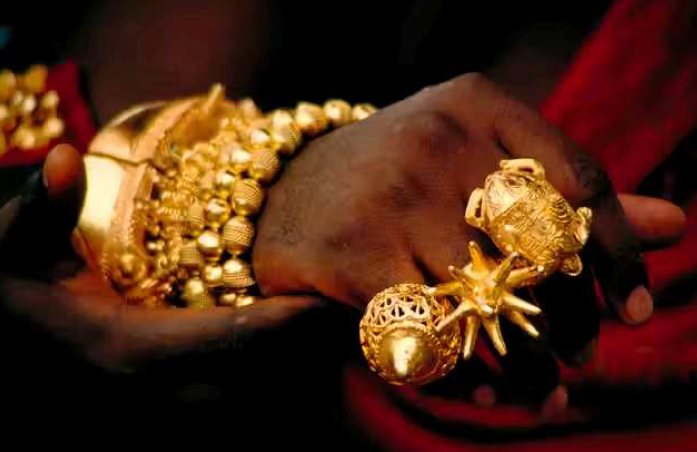

DID YOU KNOW THAT WEST AFRICA’S REMARKABLE GOLD ABUNDANCE IS DEEPLY ROOTED IN ITS ANCIENT GEOLOGICAL HISTORY?
DID YOU KNOW THAT WEST AFRICA’S REMARKABLE GOLD ABUNDANCE IS DEEPLY ROOTED IN ITS ANCIENT GEOLOGICAL HISTORY?
Gold has been a defining element in West Africa’s development for centuries. It supported the emergence of influential empires, shaped trans-Saharan trade networks, and continues to play a significant role in the region’s contemporary economies. Its presence offers a lens through which to understand both the historical and ongoing dynamics of West Africa.
The golden legacy of West Africa is no accident. Beneath its soil lies the West African Craton – a remarkably stable geological formation over two billion years old. Within this craton sits the Man Shield, stretching across countries like Ghana, Mali, and Burkina Faso. It’s here that the Birimian rocks, born from ancient volcanic arcs and transformed during the Eburnean orogeny, created the ideal conditions for gold mineralisation.
In medieval times, this natural wealth gave rise to the empires of Ghana, Mali, and Songhai, whose influence spanned trade, culture, and scholarship. Gold, carried across the trans-Saharan trade routes, was exchanged for salt and other commodities, linking West Africa to the Mediterranean world. Cities like Timbuktu and Djenné became renowned centres of commerce and learning.
Today, the story continues. Ghana – nicknamed the “Gold Coast” – and Mali remain leading gold producers in Africa, with major mining operations and artisanal activities alike. Companies such as AngloGold Ashanti and Gold Fields Ltd. maintain a strong presence, particularly in Ghana’s Ashanti and Western regions.
Yet while gold continues to bring economic opportunity, it also raises pressing questions around sustainability, equity, and governance. Exploring the geological roots and historical context of West Africa’s gold wealth offers valuable insight into its enduring impact on the region and the world.
This article & imagery originally appeared on https://theconversation.com/
Read the full article here